Why You Need Mold Remediation Experts for a Safe Home
Mold is one of those problems that can start small and quietly grow into something serious. I have seen it happen in homes across Fort Worth, where the humid climate and seasonal storms create the perfect conditions for moisture to linger. A small patch on a wall might seem harmless at first, but behind the surface, mold can spread through drywall, wood, and insulation before you realize what is happening. That is why calling in mold remediation experts early is not just about cleaning up a stain. It is about protecting your health and your property.
Mold is not just ugly. It can trigger allergies, asthma, and other respiratory problems. Some types, like Stachybotrys chartarum, which people often call black mold, produce toxins that are especially concerning for children, the elderly, and anyone with a weakened immune system. I have worked with families in Fort Worth who thought they could handle the problem themselves with bleach and a scrub brush, only to find the mold coming back within weeks. That is because surface cleaning does not address the root cause: moisture and the mold colonies hidden inside walls or under flooring.
What Mold Remediation Experts Actually Do
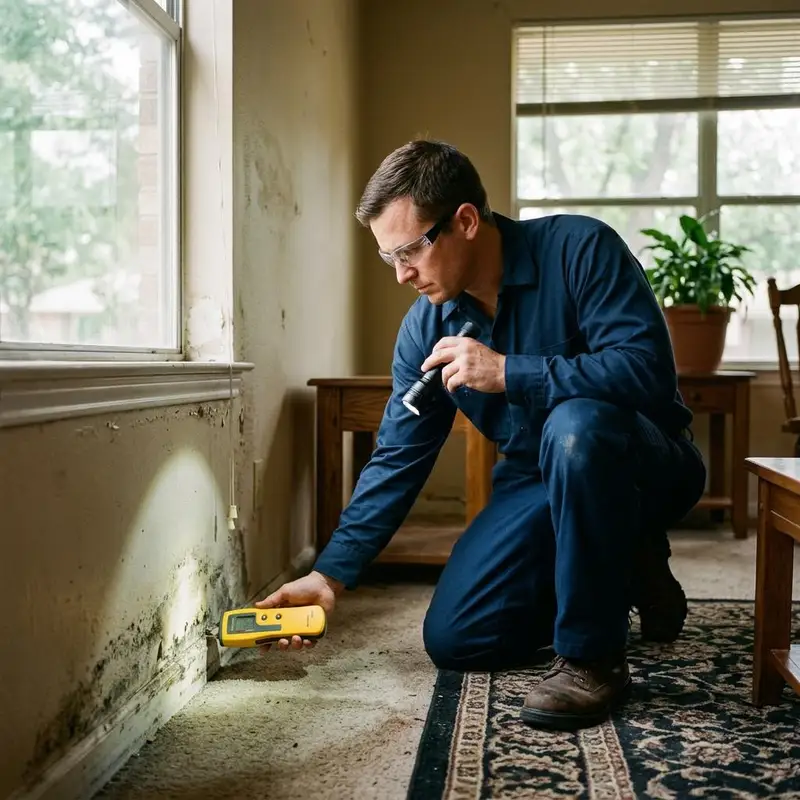
Mold remediation experts do more than wipe away visible growth. They follow a systematic process that starts with a thorough inspection. They use tools like a moisture meter to detect damp spots in building materials that are not visible to the eye. They also use mold testing kits to identify the specific species present. This is important because different molds require different removal methods. For instance, Stachybotrys chartarum demands careful containment to prevent spores from spreading during removal.
After the inspection, the experts set up containment barriers, use HEPA vacuums to capture airborne spores, and apply antimicrobial treatments. They might use Concrobium or RMR-141 to kill mold and prevent regrowth. In some cases, they recommend removing and replacing porous materials like drywall or carpet that cannot be fully cleaned. The goal is not just to remove mold but to fix the moisture problem that allowed it to grow in the first place. That might involve repairing leaks, improving crawl space ventilation, or adding an attic ventilation fan to reduce humidity.
The Limits of DIY Mold Removal
I get it. When you see a small patch of mold, it is tempting to grab a bottle of bleach and get to work. But bleach is not always effective on porous surfaces. It can kill surface mold, but the roots often remain deep in the material. Hydrogen peroxide and white vinegar are better options for some non-porous surfaces, but they still cannot reach mold that has penetrated wood or drywall. And if you disturb mold without proper containment, you can send thousands of spores into the air, making the problem worse.
Another common mistake is using a mold testing kit from a hardware store and assuming the results tell the whole story. These kits can confirm mold is present, but they do not tell you how widespread the problem is or what type of mold you have. Professional assessment involves using a moisture meter to find hidden damp spots, taking air samples, and comparing them to outdoor air to measure spore levels. The Texas Department of State Health Services recommends professional assessment for any indoor mold problem covering more than a small area.
Standards and Certifications That Matter
Not all mold removal companies are created equal. The best mold remediation experts carry certifications from organizations like the Institute of Inspection Cleaning and Restoration Certification or the American Industrial Hygiene Association. These certifications mean the company follows industry standards for safety, containment, and thoroughness. The National Association of Mold Remediation Specialists also provides guidelines for best practices. When you hire a certified professional, you get someone who knows how to use a HEPA vacuum properly, how to set up negative air pressure to contain spores, and how to dispose of contaminated materials safely.
The Environmental Protection Agency offers clear guidelines for mold remediation, and a reputable company will follow them. They will not just spray something and call it done. They will document the moisture source, the extent of the contamination, and the steps taken to fix it. This documentation can be important if you need to file an insurance claim or if you plan to sell your home in the future.
Moisture Control Is the Real Solution
Mold remediation is only half the battle. The other half is moisture control. A dehumidifier can help keep humidity levels below 50 percent in damp areas like basements or crawl spaces. Proper attic ventilation prevents condensation from building up during cold weather. Fixing leaky pipes and sealing foundation cracks keeps groundwater from seeping in. In Fort Worth, where the weather can swing from dry to humid quickly, it is especially important to monitor indoor moisture levels year-round.
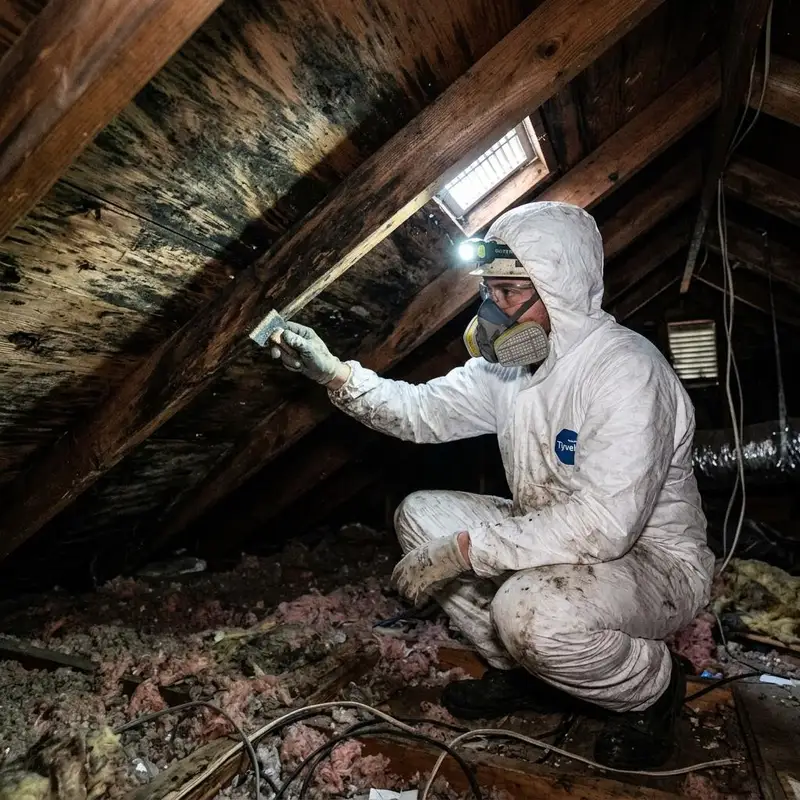
I once worked with a homeowner who had recurring mold in a bathroom despite multiple cleanings. The problem turned out to be a small leak in the wall behind the shower. No amount of surface cleaning would have fixed that. Once the leak was repaired and the moldy drywall replaced, the problem did not come back. That is the kind of lasting solution that mold remediation experts provide. They address the underlying issue, not just the visible symptom.
Products like Mold Armor can be useful for preventing mold on outdoor surfaces, but they are not a substitute for professional work indoors. For interior use, Concrobium is a better choice because it leaves a residue that inhibits future growth. RMR-141 is another effective option for killing mold on hard surfaces. But again, these products work best when applied after the source of moisture has been eliminated.
When to Call the Experts
If you see mold covering more than a few square feet, or if you smell a musty odor that will not go away, it is time to call mold remediation experts. The same goes if you have had water damage from a flood, a leaky roof, or a burst pipe. Mold can start growing within 24 to 48 hours after water intrusion, so quick action is critical. Delaying only allows the mold to spread deeper into the structure, making the remediation more expensive and complex.
I also recommend calling a professional if anyone in the home has asthma, allergies, or a compromised immune system. The health risks are too high to take chances. Even if you are healthy, long-term exposure to mold spores can cause respiratory issues over time.
What to Expect from the Process
A professional mold remediation job usually starts with an inspection using a moisture meter and possibly a borescope to look inside walls. The experts will identify the moisture source and the extent of the mold growth. Then they set up containment with plastic sheeting and use HEPA vacuums and air scrubbers to capture spores. They remove and dispose of contaminated materials safely. Finally, they treat the area with antimicrobials and make recommendations for preventing future growth. The whole process can take a few days, depending on the size of the job.
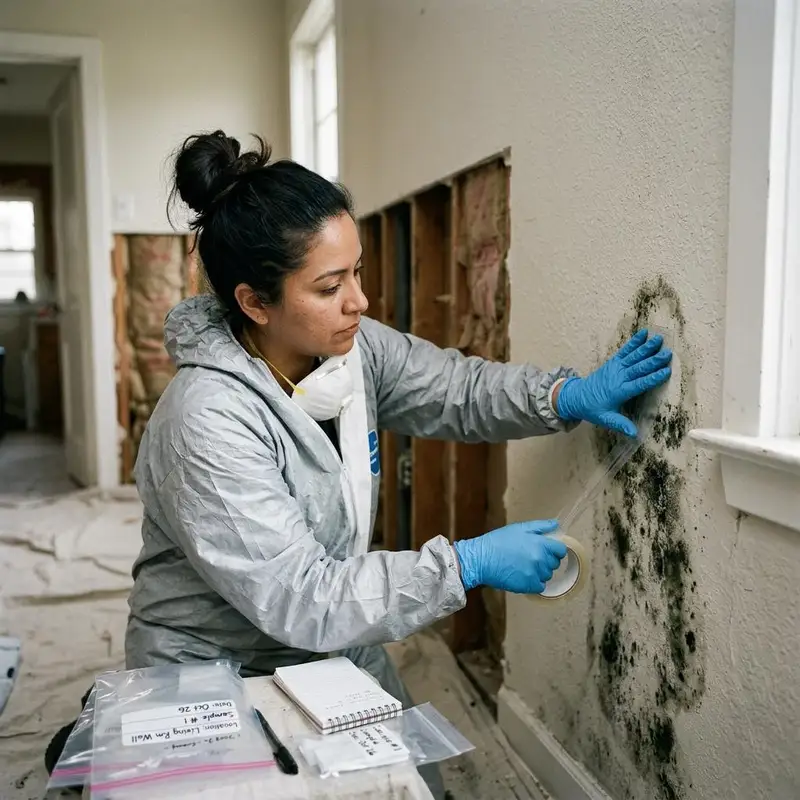
After the work is done, the area is dry and clean, and the musty smell is gone. But the most important outcome is peace of mind. You know the mold is gone and that steps have been taken to keep it from coming back.
Final Thoughts
Mold is not something to ignore or treat lightly. It can damage your home and affect your health. That is why trusting the job to mold remediation experts is a smart investment. They have the training, the tools, and the experience to do it right. Whether you live in Fort Worth or anywhere else with a humid climate, the same principles apply: find the moisture, remove the mold, and prevent it from returning. With the right approach and the right help, you can keep your home safe and healthy for years to come.
Ends · GETMOLDREMEDIATIONEXPERTSHOUSE